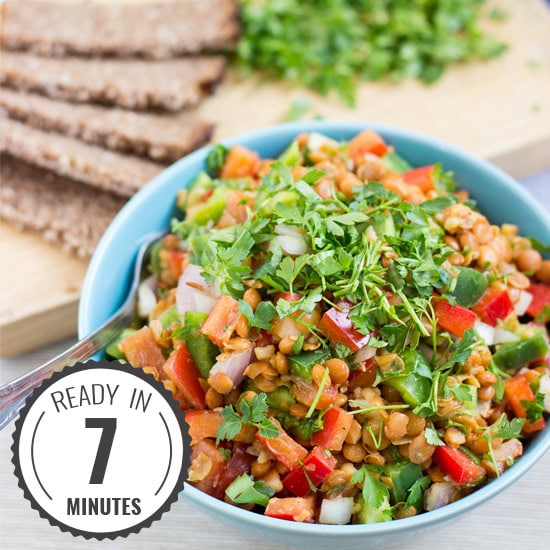
Turkish cuisine is renowned for its vibrant flavors, fresh ingredients, and a deep appreciation for healthy, wholesome dishes. Among its many culinary jewels, the Turkish Lentil Salad stands out as a true testament to this philosophy. More than just a simple side dish, this refreshing and nutritious salad, often known as mercimek salatası in Turkey, perfectly embodies the country's unique blend of Mediterranean and Middle Eastern influences. It's a dish that brings together earthy lentils, crisp vegetables, and a medley of aromatic herbs, all harmonized by a zesty, tangy dressing. Whether you're a seasoned chef or a home cook looking to explore new flavors, mastering the Turkish lentil salad is a rewarding journey into a world of delicious and healthy eating.
Discovering the Heart of Turkish Cuisine: The Humble Lentil
Lentils have been a staple in Turkish kitchens for centuries, celebrated for their versatility, nutritional benefits, and ability to absorb a myriad of flavors. These tiny legumes are a powerhouse of plant-based protein, dietary fiber, and essential minerals like iron and folate, making them an excellent choice for a healthy diet. In Turkish cooking, lentils appear in countless forms, from hearty soups (like the famous mercimek çorbası) to savory stews and, of course, refreshing salads.
For a perfect Turkish lentil salad, the choice of lentil is crucial. While red lentils are often used for their quick cooking time and creamy texture in soups, green or brown lentils are preferred for salads. Their ability to hold their shape after cooking ensures a pleasant texture that doesn't turn mushy, allowing each distinct ingredient to shine. This structural integrity is key to the salad's satisfying bite and visual appeal. Beyond their robust texture, lentils provide a grounding, earthy base that beautifully complements the bright, fresh components of the salad, creating a balanced and deeply satisfying dish.
What Makes a Turkish Lentil Salad So Special?
The magic of a Turkish lentil salad lies in its exquisite balance of textures and tastes. It’s a symphony of fresh, vibrant ingredients that come together to create a dish that is both light and incredibly flavorful. The core components typically include:
- Lentils: As mentioned, green or brown lentils form the hearty foundation.
- Fresh Herbs: A generous amount of finely chopped fresh parsley and mint is non-negotiable, imparting an unmistakable freshness and aromatic lift. Sometimes dill is also included.
- Crisp Vegetables: Diced cucumbers, ripe tomatoes, bell peppers (often red or green), and finely sliced spring onions add crunch, color, and a burst of natural sweetness.
- The Dressing: This is where the salad truly comes alive. A simple yet powerful concoction of high-quality extra virgin olive oil, fresh lemon juice, and a touch of pomegranate molasses (nar ekşisi) provides the signature tangy and slightly sweet notes. Spices like ground cumin and a pinch of red pepper flakes (pul biber) add warmth and a subtle kick.
This combination results in a salad that is earthy from the lentils, bright from the herbs and lemon, sweet-tart from the pomegranate molasses, and perfectly savory. It's incredibly versatile, serving equally well as a light main course, a fulfilling side dish to grilled meats or fish, or as part of a larger meze spread. For a deeper dive into the delightful variations of this dish, consider exploring Turkish lentil salad - Article 2.
Crafting Your Perfect Turkish Lentil Salad: A Step-by-Step Guide
Making a delicious Turkish lentil salad is remarkably straightforward, but paying attention to a few key details will elevate your creation from good to outstanding.
Selecting and Preparing Your Lentils
Start with good quality green or brown lentils. Rinse them thoroughly under cold water to remove any debris. Cook the lentils according to package directions, typically by simmering them in water until they are tender but still retain a slight bite (al dente). Be careful not to overcook them, as mushy lentils will compromise the salad's texture. Once cooked, drain them well and spread them out on a baking sheet or large plate to cool completely. This step is crucial; adding hot lentils to fresh vegetables will wilt them and diminish their crispness.
Assembling the Freshness
While the lentils cool, prepare your vegetables and herbs. Finely dice the cucumber, tomato, and bell pepper. Slice the spring onions thinly. Chop a generous amount of fresh parsley and mint. The key here is uniformity in chopping, which ensures an even distribution of flavors and a pleasant mouthfeel with every bite.
The Art of the Dressing
In a small bowl, whisk together extra virgin olive oil, fresh lemon juice, and pomegranate molasses. Add a pinch of ground cumin and red pepper flakes (to taste). Season with salt and black pepper. Taste and adjust; you want a balance of tart, sweet, and savory. The pomegranate molasses is a game-changer, providing a depth of flavor that is uniquely Turkish.
Bringing It All Together
Once the lentils are completely cool, transfer them to a large mixing bowl. Add the chopped vegetables and herbs. Pour the dressing over the ingredients and toss gently until everything is well combined. Taste again and adjust seasonings as needed. For the best flavor, let the salad sit for at least 30 minutes at room temperature before serving, allowing the flavors to meld beautifully. This resting period truly unlocks the full potential of your Turkish lentil salad.
Beyond the Basics: Tips for Elevating Your Turkish Lentil Salad
While the classic recipe for Turkish lentil salad is wonderful on its own, there are many ways to customize and enhance it to suit your palate or occasion.
Ingredient Enhancements
- For Added Crunch: Toast some walnuts or pecans lightly and sprinkle them over the top before serving. Roasted sunflower seeds or pumpkin seeds also work well.
- Cheesy Goodness: Crumble some feta cheese or goat cheese into the salad for a creamy, salty counterpoint.
- Heartier Meal: To transform it into a more substantial main course, add grilled halloumi cheese, shredded cooked chicken, or even some pan-fried mushrooms.
- Flavor Boosters: Incorporate sun-dried tomatoes (chopped), roasted red peppers, or even a handful of Kalamata olives for extra Mediterranean flair.
- Spicy Kick: If you love heat, increase the amount of red pepper flakes or add a touch of finely minced fresh chili.
Serving Suggestions
The versatility of Turkish lentil salad makes it a fantastic addition to almost any meal. Serve it alongside grilled fish or chicken, as part of a vibrant meze platter with hummus and pita bread, or simply enjoy it on its own as a light and satisfying lunch. It's also an excellent option for meal prep, as its flavors often improve overnight in the refrigerator.
Pairing Perfection
Complement your Turkish lentil salad with a refreshing glass of traditional Turkish black tea, a cooling glass of ayran (a savory yogurt drink), or a crisp, dry white wine like Sauvignon Blanc or a regional Turkish white wine. To discover more advanced techniques and creative twists that can transform your everyday meal into an extraordinary culinary experience, be sure to read Turkish lentil salad - Article 3.
The Turkish lentil salad is more than just a dish; it's an experience—a vibrant, healthy, and incredibly flavorful journey into the heart of Turkish home cooking. Its simplicity belies a depth of flavor that will leave you refreshed and satisfied. Whether you're seeking a nutritious lunch, a unique side dish, or a staple for your weekly meal rotation, this humble yet magnificent salad is sure to become a favorite. Embrace the fresh ingredients, enjoy the process, and savor every delicious bite of this timeless Turkish delight.
